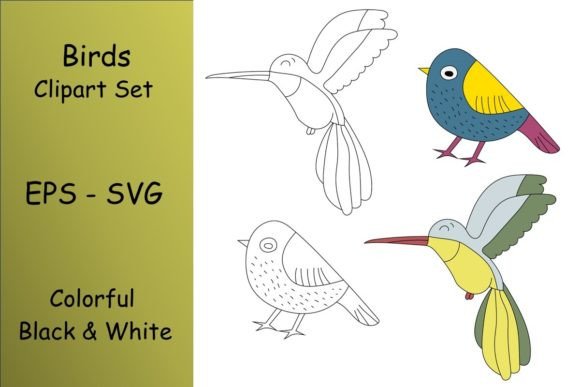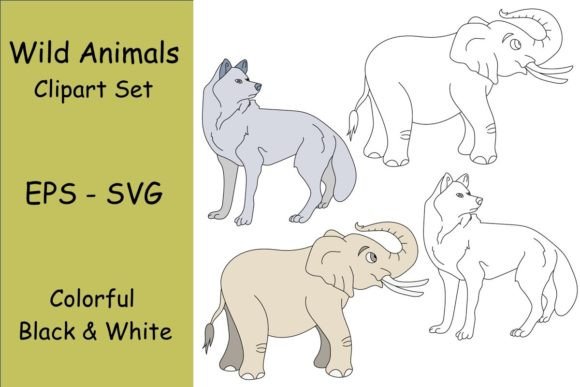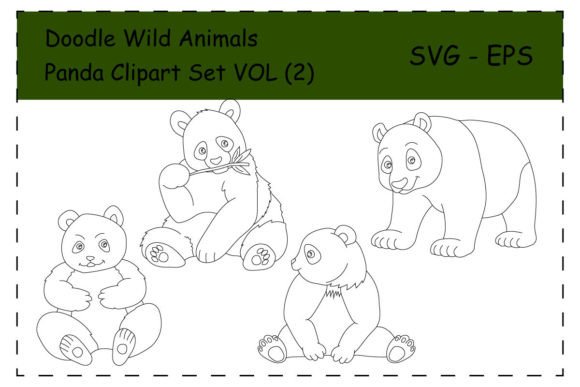
Crafting Brand Identity with Deer & Sloth Graphics
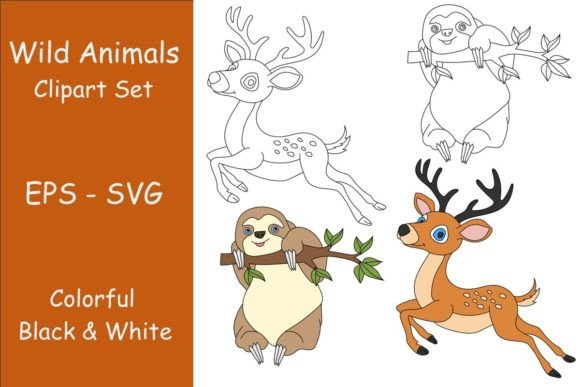
As a brand designer working on a new line of organic bath products for a local handmade business, my first task is sourcing visual assets that communicate the brand's ethos. Opening the Deer, Sloth Clipart Collection, my initial impression is one of gentle, rustic charm. These aren't sharp, corporate illustrations; they carry a soft, approachable quality that feels inherently handmade and organic. The mood is calm, friendly, and connected to nature—perfect for a business that wants to avoid a cold, clinical feel.
The Brand Personality Suggested by Wildlife Clipart
This wild animals clipart collection immediately suggests a brand personality that is tranquil, trustworthy, and slightly whimsical. It leans toward businesses that value authenticity over slick perfection. I'm envisioning it for a skincare brand using natural ingredients, a boutique selling children's eco-friendly toys, a cozy coffee shop with a forest theme, or a florist specializing in wild, garden-style arrangements. It doesn't scream "luxury" or "minimalist"; instead, it whispers "crafted" and "caring." This is a foundational tone for building customer trust through visual design.
Real-World Application: From Product Labels to Social Campaigns
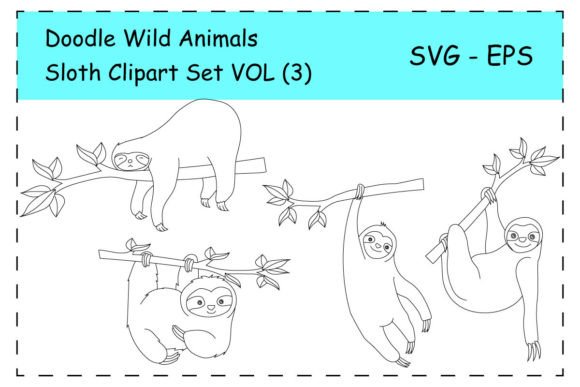
In my project for the bath product line, these graphics become more than just decoration. They are functional brand identity tools. The deer, with its serene posture, becomes a hero graphic on the main label for a "Forest Calm" herbal soap. The sloth illustration, playful and relaxed, is perfect for a "Slow Down" bath oil. Because the collection includes color variations, I can adapt them to different product sub-lines or seasonal campaigns—a warmer palette for autumn, a cooler one for spring.
Their use extends far beyond the primary product label. I can scale them down for elegant hang tags, integrate them into the pattern of a thank-you card, or use them as subtle accents on business cards and price lists. For social media graphics, they provide instant, consistent visual branding for posts about new products, behind-the-scenes crafting, or promotional offers. Placing them on product mockups for a website or marketplace listing instantly elevates the professional packaging presentation, creating a stronger first impression than plain text.
Strengthening Shelf Appeal and Emotional Connection
For a small business, competing on a shelf—whether physical or digital—requires clear product recognition. These distinctive animal graphics create a visual hierarchy, guiding the customer's eye first to the charming illustration, then to the product name and details. This shelf appeal is crucial for local boutiques and handmade sellers. More importantly, the friendly animals foster an emotional connection. They don't just sell a product; they suggest a story—of nature, relaxation, and thoughtful creation. This transforms a simple commodity into a branded experience.
Where This Graphic Design Asset Works Best
The Deer, Sloth Clipart Collection excels as a decorative brand element. Its ideal applications include:
- Product labels and packaging accents for goods with a natural, crafted, or playful theme.
- Promotional banners for seasonal sales, like a "Winter Wildlife" campaign.
- Printable inserts like care instruction cards or story cards that explain the brand's inspiration.
- Background patterns or borders for menu graphics in a café or flyers for a children's activity center.
- Focal points for website banners or editorial design in a blog about sustainable living.
Practical Considerations for Professional Branding
However, a professional review means noting where caution is needed. This asset's decorative nature means it should be used carefully in:
- Formal corporate branding where elegance and stark minimalism are required.
- Very small labels where detail might get lost or clutter ingredient-heavy layouts.
- Areas containing critical legal information or disclaimers, where decoration could distract.
- Designs with low-contrast backgrounds that might reduce the graphic's visibility.
- Situations where the illustration could compete with essential text, weakening the message.
A Brand Designer's Checklist Before Client Use
Before applying this clipart to a client's commercial design, I follow a practical checklist:
- Always confirm commercial licensing for use in physical product sales and business branding.
- Test it on real packaging mockups at the intended size to judge scale and impact.
- Preview it on small labels to ensure readability when printed.
- Check its behavior in black and white for potential utility in cost-saving print situations.
- Test it with the brand's color palette to ensure harmony, not conflict.
- Compare it with competitor packaging to ensure it provides distinct, not generic, appeal.
- If using vector formats, inspect SVG editability for color adjustments or simple modifications.
- Review PNG transparency quality for clean placement over various backgrounds.
- Test the graphics beside different font styles—a serif for tradition, a sans-serif for modernity, a script for elegance—to find the best typographic partnership.
- Ultimately, assess whether it reinforces the brand story you're telling or merely decorates it.
For the local business owner, marketer, or creative entrepreneur, the Deer, Sloth Clipart Collection is more than a digital product for safari-themed projects. It's a versatile tool for building a cohesive, emotionally resonant visual world around your products. When integrated thoughtfully into your brand identity, it moves from being a simple illustration to becoming a silent ambassador for your brand's values—craft, nature, and a gentle touch. That's the power of a well-chosen graphic design asset in the hands of a strategic designer.