Evaluating the Senior Big Sister Design for Real Embroidery
When a new digital embroidery file lands in your design library, the real test isn't the preview on screen—it’s how it performs under the needle and on the final product. Today, I’m thinking through the Senior Big Sister Class of 2024 design from the perspective of someone who needs it to translate beautifully into stitched goods for clients, gifts, and shop merchandise.
The Immediate Personality of This Embroidery File
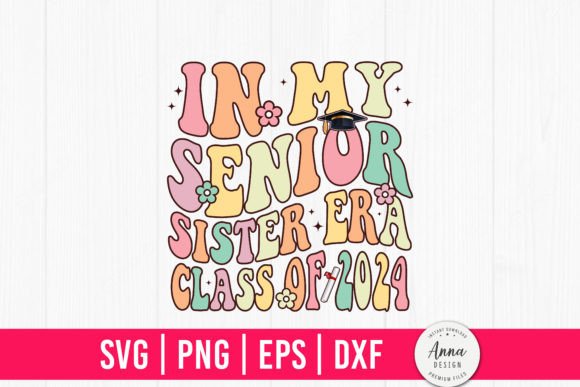
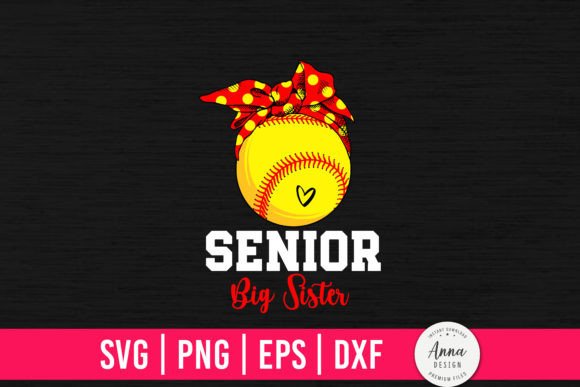
Right away, this design communicates a warm, celebratory mood. The phrasing “Senior Big Sister” carries a lovely blend of accomplishment and familial affection. For an embroidery project, that’s gold. It’s not just a generic graduation marker; it’s a personal badge of honor and relationship. The layout, with the year integrated, feels classic and balanced. This isn’t an overly trendy or detailed graphic; it’s a clean, statement-style design that promises good stitching clarity. My first thought is that it belongs on something meant to be cherished—a gift, a keepsake, a custom piece for a boutique.
Where This Design Thrives in Practical Use
Imagine you’ve got a custom order for a graduating senior who is also a beloved older sibling. A client wants a personalized sweatshirt or a commemorative tote bag. This design is a perfect fit. Its straightforward, bold lettering means it will stitch out cleanly on medium to large areas like the center of a sweatshirt, the front of a canvas tote, or a decorative pillow cover for a dorm room. The emotional resonance makes it ideal for baby embroidery projects too, like a blanket for a new baby celebrating their “Senior Big Sister,” or a sweet patch on a little onesie.
For small business owners and Etsy sellers, this design can anchor a whole product line. Think embroidered aprons for a graduate’s family, custom caps, or elegant tea towels as a holiday embroidery gift. The “Class of 2024” text gives it a timely, collectible feel for craft fair products. Because it’s not overly intricate, it stitches efficiently, which matters when you’re producing multiple units for your shop.
Considering Texture, Scale, and Background
On textured fabrics like sweaters or blankets, the fill stitches for the letters will hold up well, provided you use the right stabilizer. On dark fabric, you’ll want to ensure your thread color choices have strong contrast—a bright white or a bold school color would pop. The design’s scale is its friend; it’s not built for tiny hoop sizes. I’d avoid trying to miniaturize it onto something like a small cuff or a detailed corner of a hat. It needs space to breathe and be read.
Stretchy fabric, like on t-shirts, requires careful hoop tension and stabilizer selection to keep those satin stitches looking crisp and prevent puckering. For a project like an embroidered patch, which could then be applied to a backpack or jacket, the density should be checked to ensure the patch remains flexible but durable.
Scenarios Where You Should Proceed with Caution
While the design is robust, some applications demand extra planning. If you’re considering it for baby clothes made from very thin cotton, the stitch density might need adjustment to prevent the fabric from becoming stiff. Similarly, on curved surfaces like the front of a cap, the longer text line might require careful digitizing adaptation to follow the curve without distortion. Always test the design on scrap fabric first, especially if you’re using a new material type.
The “2024” numerals are a key detail. On very small versions, those numbers could lose definition if the stitch path isn’t optimal. For products destined for frequent washing, like kitchen towels or everyday apparel, a tight, secure stitch construction is vital for longevity.
How This Embroidery File Adds Value
From a professional standpoint, a design like Senior Big Sister Class of 2024 elevates your work. It shows you understand the sentiment behind the product. That builds customer trust and enhances the handmade presentation. For a creative entrepreneur, it’s a versatile digital embroidery file that can be adapted across product categories—from custom apparel to nursery decor—helping maintain brand consistency for a shop focused on personalized gifts.
The design’s clarity directly impacts stitching clarity. A clean stitch-out means a professional-looking finished product, which increases its perceived value and giftability. It’s instantly recognizable and feels special, which drives buyer engagement in an Etsy listing or at a market booth.
Essential Designer Notes Before You Hoop Your Fabric
My practical advice is always to treat a new file as a partner in your project. For this one, I’d strongly recommend checking the license terms before using it for commercial projects or selling finished items. Confirm it’s intended for both personal and commercial use.
- Run a test stitch-out on both a light and dark scrap of your intended fabric type.
- Evaluate the thread color contrast. Does the design demand a single color for impact, or would a two-color version add depth?
- Inspect the small details in the test, particularly the numerals and any connective points in the lettering.
- Use a proper stabilizer for your chosen fabric; don’t skip this step.
- Consider creating black and white mockups of your final product to judge the visual balance before committing thread.
- Think about the end-use. If it’s for a boutique product, will the design scale look appropriate on the item?
Remember, the beauty of a digital file like this is in its transformation from pixels to stitches. The Senior Big Sister Class of 2024 design, with its heartfelt message and clean layout, has the potential to become a beautifully embroidered centerpiece on a keepsake project. By approaching it with this practical, tested mindset, you ensure the final product meets your standards and delights your customer.