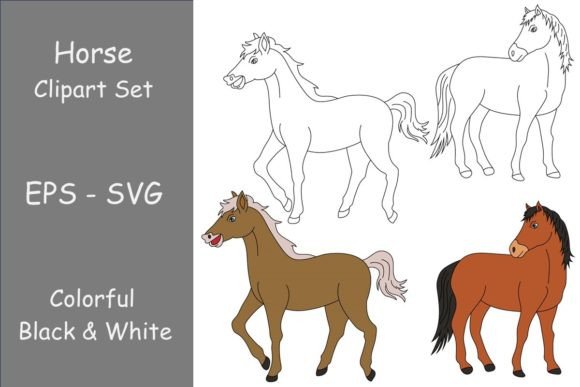
Reviewing Cartoon Horse Clipart for Crafts & Graphics
As someone who designs blogs and publishes content daily, I approach every graphic asset with a practical eye. It's not just about whether it’s cute or trendy; it's about how it performs in a real publishing workflow. Will it make my featured image pop? Will it help my Pinterest pin get clicks? Does it build trust with my readers? Today, I'm looking closely at a Cartoon Horse Clipart Collection.
The First Impression: Editorial Mood and Niche Alignment
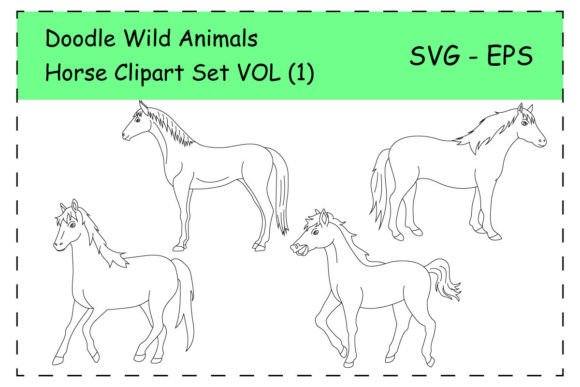
Opening this set, the immediate vibe is playful, artistic, and accessible. The outline and doodle style of the horse illustrations creates a lighthearted, modern feel. This isn't stiff corporate imagery; it's friendly and creative. The mood it establishes leans toward lifestyle, education, and crafts—perfect for content aimed at families, creative entrepreneurs, wildlife enthusiasts, or educators.
It signals to readers that the content is approachable and visually engaging. For a website or blog focused on DIY projects, outdoor activities, children’s content, or artistic hobbies, these clipart horses provide an instant visual hook that feels cohesive and intentional.
Real-World Uses in a Content Publisher’s Toolkit
Let’s walk through a typical day. I’m preparing a blog post about "Wildlife Crafts for Kids." My first need is a strong featured image.
Building Click-Worthy Blog Graphics
One of these cartoon wild animals becomes the central visual. I layer it over a clean background, add a bold headline in a sans-serif font, and instantly have a graphic that promises a fun, creative read. The clear outline style ensures the horse remains recognizable even as a small thumbnail on mobile or in a sidebar widget.
For Pinterest pins and social media graphics, this asset shines. The playful character draws the eye in a crowded feed. I can use a single horse as a focal point or create a repeating pattern for a border, adding visual hierarchy without clutter.
Elevating Editorial Layouts and Digital Products
Beyond blog posts, this collection supports entire projects. Imagine designing a digital guide on horse care or a printable worksheet for a homeschool unit. The clipart provides consistent brand identity across pages. For a newsletter header or a section banner on a website categorizing "Animal Crafts," these illustrations offer immediate thematic recognition.
As a lead magnet or a content upgrade—like a downloadable coloring sheet—this doodle animals clipart set is directly usable. It makes the resource look polished and valuable, increasing its perceived worth. For affiliate marketing content reviewing craft kits or books, using these graphics creates a cohesive, trustworthy visual story around the products.
How This Asset Drives Content Performance
Professional-looking content builds reader trust. This cartoon clipart, when applied thoughtfully, contributes directly to that professionalism. It creates a stronger first impression, making a page or pin look designed, not haphazard. This clarity in visual hierarchy helps guide the reader’s attention.
For click-through potential, a pin with a charming, well-integrated horse illustration is more likely to stand out than a plain text block. Consistent use across a site’s category visuals and article thumbnails reinforces your visual identity, making your entire content library feel more reliable and established.
Optimal Placement: Where This Clipart Works Best
I would deploy these graphics primarily as accent pieces in key visibility areas:
- Hero images and article headers for craft and wildlife topics.
- Pinterest pins and Instagram story graphics for DIY tutorials.
- Blog graphics breaking up long-form text sections.
- Editorial accents within digital guides or eBooks.
- Downloadable resources like activity sheets or templates.
- Category thumbnails on a website’s navigation pages.
- Newsletter headers for a creative business.
- Social media previews for blog post links.
Cautious Application: Situations for Careful Use
While versatile, this playful style requires context awareness. Avoid using it in extremely small mobile thumbnails if the detail becomes muddled. On text-heavy blog images, ensure the clipart doesn’t compete with readability.
It may not suit very serious, corporate niches like financial reports or medical journals. On busy layouts or low-contrast backgrounds, the outline style might lose impact. For websites with a minimalist aesthetic, use sparingly as a deliberate decorative element rather than a dominant feature.
Practical Publisher Notes Before You Hit Publish
Before integrating this graphic design asset into live content, run these quick checks:
- Test it on both desktop and mobile screens. How does it scale?
- Preview it inside your actual blog layout template.
- Place it alongside different font styles: a serif title, a sans-serif body, a playful script. Does it harmonize?
- Check contrast and readability when text overlays the graphic.
- Try a black-and-white version to see if the form holds up in monochrome.
- Review file sizes. For web performance, compress images properly.
- Most crucially: confirm the commercial license if using on monetized websites, affiliate pages, or within paid digital products like Canva templates or printable designs you sell.
The Final Take for Content Creators
This Cartoon Horse Clipart Collection is more than just a bundle of pictures. For bloggers, digital marketers, and creative entrepreneurs, it’s a tool for visual communication. It helps transform standard text into engaging, trustworthy editorial design. When used with strategy, it supports content marketing goals by making your work look polished, clickable, and cohesive—from your website header to your social media graphics to your downloadable lead magnets.
It empowers you to create a stronger, more professional-looking content ecosystem, which ultimately builds a stronger connection with your audience.